Understanding Local Food Culture Variations
Food is not just a means of sustenance; it is an essential part of cultural identity. In the United States, the local food culture can vary significantly from one region to another. Understanding these variations is crucial for appreciating the diverse culinary landscape that reflects the history, geography, and community values of each area.
Exploring Regional Cuisines
The United States boasts a rich tapestry of cuisines, shaped by its indigenous populations, immigrant communities, and agricultural practices. According to food historians, regional cuisines can typically be categorized into several distinct styles, each with unique ingredients and cooking methods.

For instance, Southern cuisine is known for its soul food roots, heavily featuring ingredients like cornmeal, collard greens, and pork. In contrast, Northwestern cuisine often emphasizes fresh seafood, particularly salmon, and is influenced by the region's access to the Pacific Ocean.
Factors Influencing Local Food Cultures
Several factors contribute to the variations in local food cultures:
- Geography: The climate and landscape significantly affect the types of crops that can be grown in an area. For example, the warm climate of California allows for a variety of fruits and vegetables to thrive, while colder regions may focus more on hearty grains and preserved foods.
- History: Historical events, such as waves of immigration and trade routes, have left lasting impressions on local cuisines. For example, the influence of Italian immigrants can be seen in the popularity of pizza and pasta in many urban areas.
- Community Practices: Local traditions and practices often dictate food preparation methods and eating habits. In many Native American communities, for instance, traditional cooking methods are preserved to maintain cultural heritage.
"Food is a bridge between cultures, and understanding local variations can deepen our appreciation for each dish's story." - Culinary Expert
Recognizing Food Trends
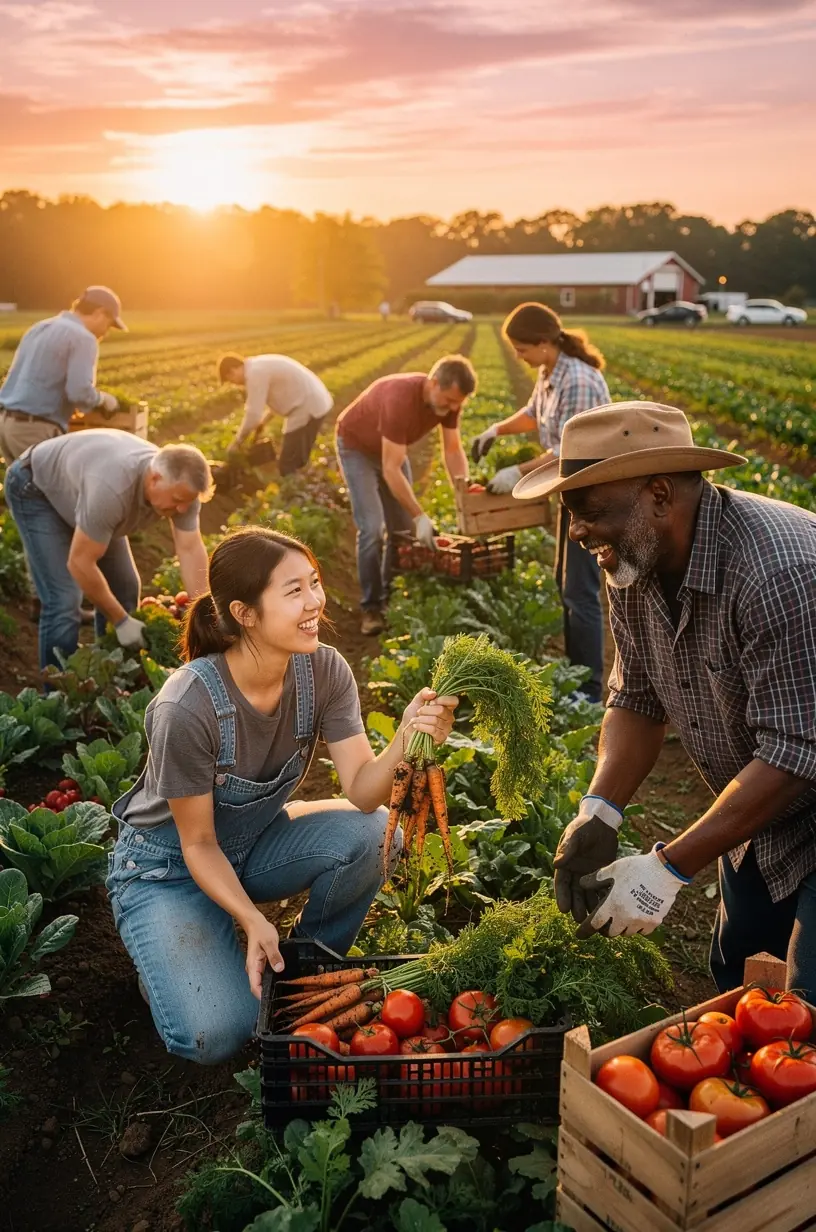
In recent years, food trends have emerged that reflect both local preferences and broader societal movements. For example, there has been a significant rise in farm-to-table dining, emphasizing fresh, locally sourced ingredients. This trend aligns with the growing awareness of sustainability and health.
Moreover, many culinary experts suggest that understanding local food trends is essential for anyone looking to engage meaningfully with a community's culture. Research indicates that restaurants offering local specialties often see higher customer satisfaction due to the authentic dining experience they provide.
Practical Recommendations for Embracing Local Food Culture
- Participate in Local Food Events: Farmers' markets, food festivals, and cooking classes can offer insights into local practices and ingredients.
- Engage with Local Chefs: Many chefs are eager to share their knowledge of regional cuisines. Dining at local eateries or attending workshops may reveal the stories behind traditional dishes.
- Research Regional Ingredients: Familiarizing yourself with indigenous ingredients can enhance your understanding of local dishes. This knowledge helps in appreciating the flavors and cooking methods unique to each region.
Conclusion
Understanding local food culture variations in the U.S. enriches our culinary experiences and invites us to appreciate the diversity that shapes our communities. By recognizing the influences of geography, history, and community practices, we can cultivate a deeper respect for the food we consume and the stories it tells. Engaging with local cuisines not only enhances our palates but also builds connections within our communities.
Learn More