The Role of Libraries in Community Learning
Libraries have long been regarded as vital centers of knowledge and learning. In the context of community education, they serve multiple roles that extend beyond merely providing access to books. This article explores how libraries contribute to community learning in the United States, underlining their importance in fostering literacy, lifelong learning, and cultural enrichment.
Understanding the Basics
Libraries typically offer a range of resources that support community learning. According to the American Library Association, public libraries are essential in promoting literacy and providing educational programming tailored to diverse community needs. These services are often free or low-cost, making them accessible to a wide audience.

"Public libraries serve as vital community hubs that promote literacy, learning, and civic engagement."
Facilitating Access to Information
One of the primary roles of libraries is to facilitate access to information. Studies show that individuals who utilize library resources tend to exhibit higher literacy rates and educational attainment. Libraries offer:
- Books and Digital Media: Access to a vast array of books, e-books, audiobooks, and online databases allows community members to expand their knowledge base.
- Research Assistance: Librarians are trained professionals who can guide patrons in locating credible sources and conducting effective research, which is particularly important for students and job seekers.
- Community Programs: Many libraries organize reading programs, author talks, and educational seminars that encourage community engagement and lifelong learning.
Promoting Lifelong Learning
Research indicates that lifelong learning is critical for personal and professional development. Libraries support this by offering various programs aimed at different age groups and interests. For instance, adult literacy classes, coding workshops, and language learning sessions are commonly offered in many libraries across the country. According to experts, these programs can significantly enhance individuals' skills and employability.
Cultural Enrichment and Community Building
Beyond education, libraries also play a significant role in cultural enrichment. They often host events that celebrate local heritage, arts, and diversity. This helps foster a sense of community and belonging. Libraries can:
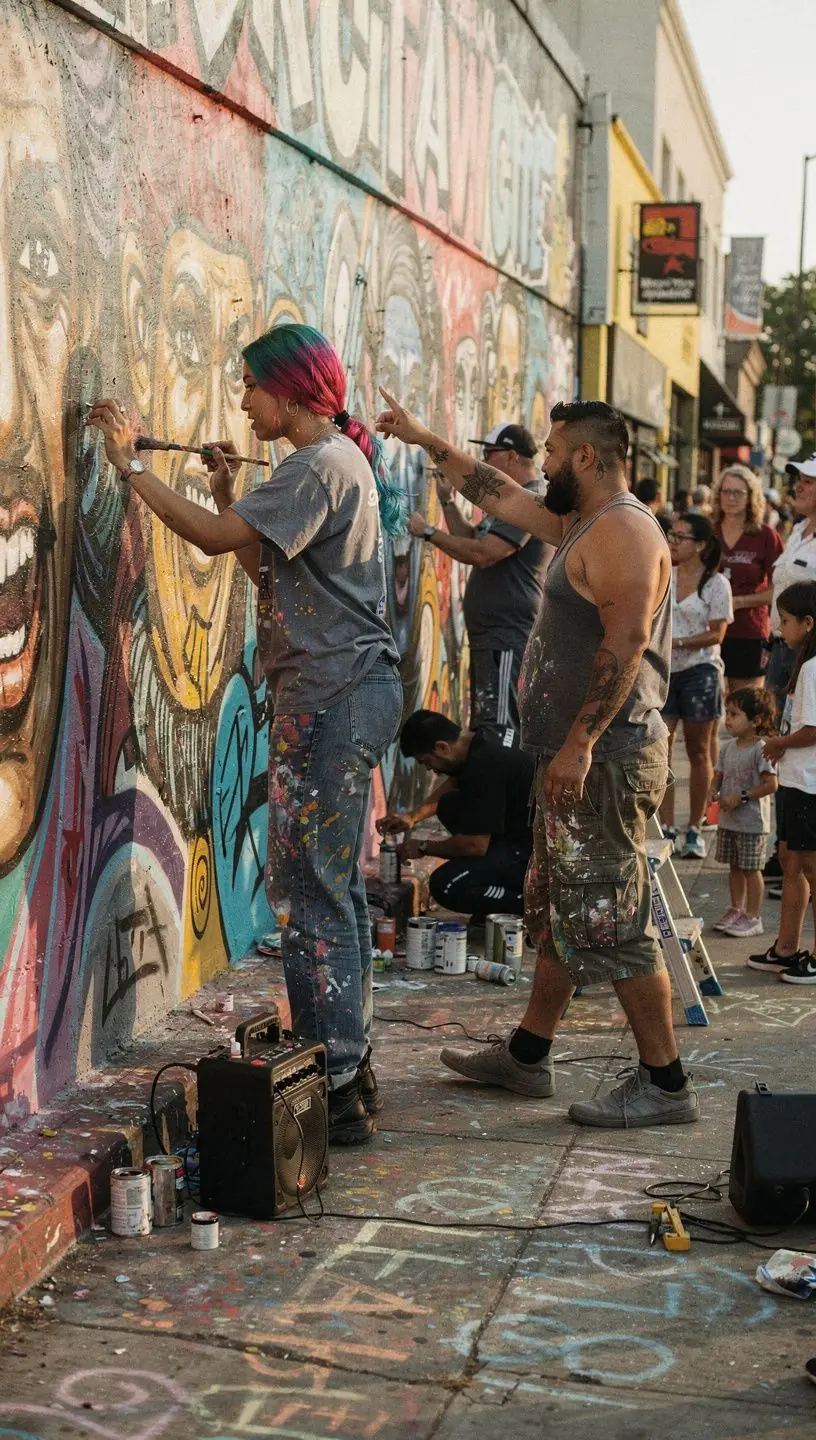
- Showcase Local Artists: By hosting art exhibits, performances, and readings, libraries provide a platform for local talent, enriching the cultural landscape.
- Encourage Civic Participation: Through voter registration drives and community discussions, libraries promote civic engagement and informed citizenship.
- Support Diverse Communities: Libraries often provide materials and programming that reflect the diverse backgrounds of their patrons, helping to promote inclusivity.
Conclusion
In summary, libraries play a multifaceted role in community learning that extends far beyond traditional book lending. They support literacy, promote lifelong learning, and foster cultural enrichment, significantly impacting individuals and communities. Acknowledging the limitations of resources and time, it is essential for community members to explore and utilize the offerings available at their local libraries. As studies show, engaging with library resources can lead to improved educational outcomes and a stronger sense of community.